Hammersmith and Fulham council waste permit West Kensington guide
Posted on 31/07/2026
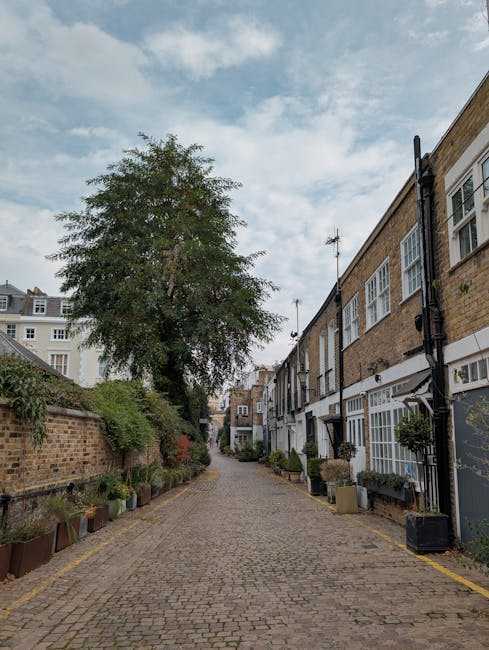
If you are trying to work out whether you need a permit, what the council expects, and how to avoid a messy delay on collection day, you are in the right place. This Hammersmith and Fulham council waste permit West Kensington guide breaks the process down in plain English, with a local focus on the kinds of streets, access issues, and rubbish jobs people actually deal with around West Kensington. Whether you are clearing a flat, dealing with builder's waste, or just trying to get rid of bulky items without any drama, the details matter more than most people think.
To be fair, permit rules can feel a bit fiddly. But once you know who is responsible, what kind of waste needs a permit, and what the usual pitfalls are, the whole thing becomes much easier to manage. You will also find a few practical pointers on compliance, timing, and choosing the right disposal route for your job.
Why Hammersmith and Fulham council waste permit West Kensington guide Matters
West Kensington sits in a part of London where waste jobs can get awkward quickly. Narrow roads, shared access, controlled parking, and busy loading times all make waste disposal more sensitive than a simple "leave it out front" approach. That is why understanding the local permit angle is so useful. If a vehicle needs to stop in a restricted space, or if the work may affect the highway, you want to know the rules before the driver turns up.
The phrase Hammersmith and Fulham council waste permit West Kensington guide usually comes up when someone needs clarity on how local authority permissions, collection access, and waste transfer expectations fit together. In practice, people are often asking one of three things: do I need permission, can the collection happen where I live, and what happens if the street layout makes it difficult? Those are fair questions. They are also the ones that save the most time and stress when answered early.
There is another reason it matters. If you book the wrong type of waste removal, you can end up paying for avoidable waiting time, missed collection attempts, or extra handling. That is not ideal, especially if you are juggling a renovation, a tenant move-out, or a last-minute office clear-out. A permit-aware plan is usually a calmer plan.
And let's face it, nobody wants to stand on the pavement at 8:15 on a damp Tuesday morning, looking at a skip or a collection truck while trying to work out whether the job is actually allowed. Better to sort it before the lorry arrives.
How Hammersmith and Fulham council waste permit West Kensington guide Works
At a high level, waste permits are about permission to use public space or to carry out waste-related activity in a way that might affect the street. The exact requirement depends on the job. For example, a collection on private land is very different from a vehicle needing to stop on a public road. In a busy area like West Kensington, that distinction matters a lot.
Usually, the process works like this:
- You identify the type of waste and how much there is.
- You check whether access is private, communal, or public-facing.
- You decide whether the work needs permission, a parking arrangement, or a better collection setup.
- You book the service with the right information about access, timing, and loading conditions.
- The waste is removed in line with local expectations, safety rules, and disposal standards.
The useful thing to remember is that "permit" can mean different things in different situations. Some people mean a parking permit-style arrangement for a vehicle. Others mean the permissions needed for a skip, a road-side collection, or work that temporarily affects the pavement. The wording is often used loosely, which is why confusion creeps in. If you are unsure, describe the site rather than using jargon. Say where the vehicle would stop, how the waste will be carried, and whether residents or pedestrians need clear access.
A practical example: imagine a flat near a tight side street off North End Road. The waste is all bagged, but the nearest safe stopping point is not directly outside the building. If the collection vehicle cannot legally wait there, you may need a different plan, especially if the pickup involves large or heavy items. That is where a clear permit conversation at the start saves the day.
If you want a broader picture of how local rubbish rules affect collections in the area, the article on West Kensington rubbish rules explained is a useful companion read. It helps to see the bigger operational context, even if your current job sits on the Hammersmith and Fulham side of the boundary.
Key Benefits and Practical Advantages
Getting the permit side right is not just about compliance. It also makes the whole job smoother. That sounds obvious, maybe, but it is the difference between a collection that glides through and one that starts with delays, call-backs, or unnecessary costs.
- Fewer delays: the crew knows where they can stop and what access is available.
- Cleaner planning: you can align the waste job with parking, loading, and building access.
- Lower risk of penalties: especially where street use or restricted parking is involved.
- Better value: less time wasted on failed attempts or avoidable repeat visits.
- Less neighbour friction: nobody likes blocked entrances, noisy confusion, or bags left out too long.
There is also a quieter benefit: confidence. Once you know the setup is sensible, you stop second-guessing every small detail. That matters more than people think, particularly during house moves or refurbishments, when your brain is already full of ten other jobs.
If you are planning a larger clearance, it can help to look at related services too. For example, a full flat clearance may be more suitable than piecemeal rubbish removal, while a renovation may call for a builder-focused approach. The pages on house clearance and builders waste disposal are relevant if your waste is tied to a bigger project.
Who This Is For and When It Makes Sense
This guide is for anyone dealing with waste in West Kensington where access, parking, or public space may be part of the picture. In real terms, that includes:
- homeowners clearing lofts, kitchens, or gardens
- landlords between tenancies
- tenants moving out and leaving bulky items behind
- builders and decorators managing refurbishment waste
- small offices replacing furniture or clearing archive material
- property agents arranging clean-ups before viewings or handovers
It makes sense to think about permits early if your waste job involves any of these situations:
- the vehicle cannot park fully off-road
- the building has limited front access
- the route is shared with residents or businesses
- you are clearing a large volume of waste in one go
- the items are heavy, awkward, or need careful loading
People often only start asking permit questions when the collection slot is already booked. That is understandable. But if the street is tight or there is controlled parking nearby, it is much better to check before the job day. Otherwise, you can end up with that classic London situation: the van is there, the waste is ready, and then everyone discovers the practical problem at the same time.
If you are deciding whether to use a specialist service or manage disposal another way, these related guides may help too: restricted access collections in West Kensington and common booking problems. They are especially handy if your building access is awkward or if you have had a previous cancellation. Which, frankly, happens more often than it should.
Step-by-Step Guidance
Here is a straightforward way to handle the permit side without overcomplicating it.
- Describe the site honestly. Note whether the waste is on private land, in a front garden, in a basement, or near the public highway. A vague "easy access" description rarely helps anyone.
- List the waste types. Mixed household rubbish, furniture, garden cuttings, builder's rubble, and office furniture all create different handling needs.
- Check access constraints. Measure gates, look at stairwells, note bollards, and consider parking or loading restrictions. Small details matter here.
- Decide whether you need a permit or special arrangement. If a vehicle will rely on street access, loading space, or temporary stopping, this is the moment to ask the question.
- Choose the right service level. A same-day pickup, planned slot, or full clearance can each make sense depending on the size and urgency of the job.
- Prepare the waste properly. Put like with like where possible, separate recyclables if requested, and keep anything hazardous out of the pile.
- Confirm timing and contact details. A missed call on collection day can be enough to complicate everything. Annoying, but true.
- Keep the route clear. Doors, pathways, and entrance points should be unobstructed so the team can work safely and quickly.
If your waste is garden-related, it is worth checking the details of garden waste removal in West Kensington. If it is a mix of furniture and household clutter, furniture disposal may be the more useful starting point. Matching the service to the waste is one of those small decisions that saves a lot of bother later.
Expert Tips for Better Results
In our experience, the best waste jobs are the ones where the client gives a crisp, realistic picture of the site. Not a polished sales pitch. Just the truth. "There are two narrow steps, a shared entrance, and the van probably cannot stop right outside" is gold. That gives you a workable plan.
Here are a few practical tips that make a real difference:
- Book around the street pattern. If school drop-off, market traffic, or commuter movement is heavy, choose a calmer slot if you can.
- Take photos in daylight. A quick set of pictures can be more useful than a long email. Doorways, drive access, and the waste pile itself are the main things.
- Group similar items together. It helps with loading and makes recycling easier.
- Be realistic about volume. Half a van and a full van are not the same thing. People sometimes underestimate by eye.
- Ask about access early. If there is a loading bay, a permit window, or a controlled parking zone nearby, do not leave that detail until the day before.
One small local observation: on damp mornings, even a short walk from a basement flat to the pavement feels twice as long. It is not just about convenience. It is about safety, speed, and whether the collection team can work without carrying awkward items through narrow shared spaces. That is exactly the kind of thing the permit conversation should surface.
If you are working from an office or moving archived material, office clearance in West Kensington is worth a look too. Office jobs often bring their own access and timing complications, especially where other tenants are still on site.

Common Mistakes to Avoid
Most problems are surprisingly ordinary. Not dramatic. Just preventable.
- Assuming the vehicle can stop anywhere. Roads with restrictions are often tighter than people expect.
- Forgetting to mention basement or upper-floor access. That can completely change the handling plan.
- Mixing prohibited items with regular waste. This creates compliance issues and may stop the job.
- Leaving booking details vague. "A few bags" can mean six bags or sixty. The team needs better than that.
- Ignoring timing pressures. If a permit window is short, late arrival becomes a real problem.
- Not checking hidden costs. Waiting time, extra labour, or difficult access can affect the final bill.
There is a useful article on avoiding hidden rubbish clearance fees that pairs well with this guide. It is not glamorous reading, granted, but it can save money and awkward phone calls. And who wants awkward phone calls? Nobody, if we are honest.
Another common slip is assuming the cheapest option is automatically best. It often is not. If the collection crew has to work around access issues or street constraints, the low upfront quote can become more expensive once the real conditions are clear. A slightly better-planned job usually costs less in the end.
Tools, Resources and Recommendations
You do not need fancy software to get this right. A phone camera, a tape measure, and a bit of common sense will take you a long way.
- Phone photos: useful for showing access points, parking conditions, and waste volume.
- Basic measurements: gate widths, stair widths, and doorway heights matter for bulky items.
- Notes app or checklist: handy for listing waste types and any special instructions.
- Calendar reminders: useful for permit timing, access windows, or collection slots.
From a service-planning perspective, these pages may also help you decide which route makes the most sense:
- waste collection in West Kensington for standard general waste jobs
- services overview if you want to compare options
- pricing and quotes when budget planning matters
- recycling and sustainability for a better disposal mindset
If you are ever unsure about how a job will be handled, asking for a clear description of the process is worth more than a quick yes/no answer. The best operators will normally want the same thing you do: a clean, efficient collection with no surprises. Sensible enough.
Law, Compliance, Standards, or Best Practice
When waste work touches public space, parking, loading, or regulated disposal, compliance matters. You do not need to become a legal expert, but you do need to respect the basics: only use properly managed waste routes, do not leave waste where it could obstruct the highway, and make sure any collection is arranged in a way that avoids nuisance or unsafe handling.
Best practice in London usually means:
- keeping the pavement and entrance safe for residents and passers-by
- using a collection method that fits the street conditions
- separating recyclable material where practical
- avoiding hazardous or restricted items in general waste
- planning for access, time windows, and parking constraints before the day of collection
If your waste includes items like electricals, chemicals, or construction debris, stop and check the handling requirements before placing them out. That kind of material often needs more careful treatment than standard household waste. A little caution upfront is far better than a rushed fix later.
Related reassurance is available in the site's insurance and safety page, which is worth reviewing if you are concerned about responsibility on a busy job. For broader background on the business approach and values, the about us page may also help build confidence. Small things, but they matter when you are letting someone work around your property.
Options, Methods, or Comparison Table
Different waste jobs call for different methods. Here is a simple comparison that helps people choose without overthinking it.
| Method | Best for | Key advantage | Main limitation |
|---|---|---|---|
| Standard waste collection | Regular household or mixed light waste | Simple and quick | Not ideal for bulky or access-heavy jobs |
| House clearance | Whole rooms, full flats, inherited contents | Efficient for larger jobs | Needs clearer planning and access detail |
| Furniture disposal | Sofas, wardrobes, beds, desks | Good for heavy items | May need more lifting space and timings |
| Builders waste disposal | DIY and refurbishment debris | Handles heavier project waste | Needs careful sorting and loading |
| Garden waste removal | Cuttings, branches, soil, green waste | Keeps outdoor jobs tidy | Volume and damp weight can be underestimated |
If your project has a mix of items, the decision is often less about the title and more about the practical shape of the waste pile. A small flat clearance with one sofa and some bags might be easy. A refurbishment with rubble, timber, and old fittings is another story entirely. The right method is the one that fits the reality on site.
Case Study or Real-World Example
Here is a realistic West Kensington scenario. A landlord is preparing a two-bedroom flat for new tenants. The property is on a street with controlled parking and a shared front entrance. There is a broken wardrobe, several bags of mixed items, an old mattress, and a bit of garden waste left from a neglected courtyard. Nothing extreme. But enough to cause problems if the access details are ignored.
At first, the landlord assumes a standard collection will do. Then they notice the van would need to stop in a constrained roadside space and the items would need to be carried through a shared entry hall. That changes the plan. Instead of risking a rushed job, they break the waste into manageable groups, confirm access in advance, and choose a clearance method that suits the space. The result is calmer on the day, less back-and-forth, and no one is standing in the doorway wondering whether the booking was right.
What made the difference? Not magic. Just early thinking. The client sent a few photos, gave a honest description of the street, and checked the access restrictions before confirming. The whole job felt easier, and the neighbours probably appreciated that too.
If you are dealing with property turnover in the area, you might also find the site's local property content useful, especially is Kensington the place for you and savvy buying tips for Kensington. They are not waste guides, obviously, but they do speak to the same broader local decision-making mindset: know the area, know the constraints, and plan properly.
Practical Checklist
Use this checklist before booking or arranging your waste job.
- Have I described the location clearly?
- Do I know whether access is private, shared, or roadside?
- Have I measured any tight entrances, gates, or stairs?
- Do I know the waste type and approximate volume?
- Have I separated anything that needs special handling?
- Do I understand whether a permit, parking arrangement, or other permission may be needed?
- Have I checked the collection timing against local traffic or access limits?
- Have I prepared the waste so it can be loaded quickly?
- Have I asked about any possible extra charges for difficult access?
- Do I have a backup plan if the street situation changes on the day?
If you can tick most of those off, you are already ahead of the game. Honestly, that is half the battle.
Get a free quote today and see how much you can save.
Conclusion
Sorting out a Hammersmith and Fulham council waste permit West Kensington guide is really about making waste removal practical, safe, and predictable. Once you understand the access picture, the permit question, and the type of service your waste actually needs, the whole process becomes much less stressful. That is especially true in West Kensington, where street layout and timing can turn a simple job into a small headache if nobody plans ahead.
The best approach is steady and specific: describe the site, match the service to the waste, check access early, and keep compliance in mind. Nothing flashy. Just good planning. If you do that, you are far more likely to get a clean result without delays, awkward surprises, or last-minute scrambling. And that, in a busy London week, is a proper win.
Take your time, ask the right questions, and trust the details. They usually matter more than the headline.

 Tipper Van - Rubbish Disposal and Waste Collection Prices in West Kensington, W14
 Luton Van - Rubbish Disposal and Waste Collection Prices in West Kensington, W14


