North End Road market rubbish collection West Kensington tips
Posted on 20/05/2026
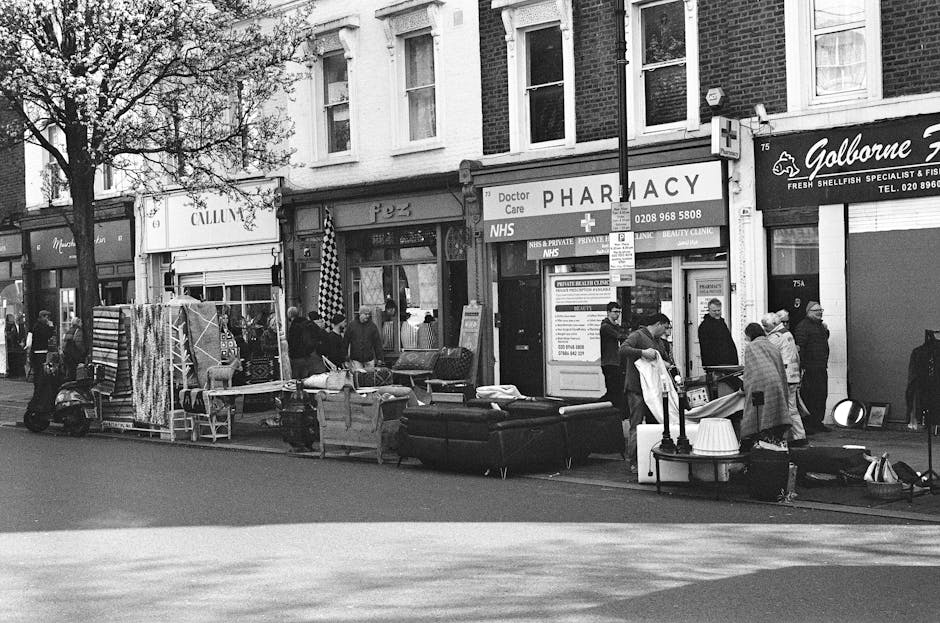
North End Road has its own rhythm. Early traders setting up, shoppers drifting past with bags already half full, boxes breaking down in the back of vans, and the odd bit of packaging skittering along the pavement when the wind picks up. If you are dealing with North End Road market rubbish collection in West Kensington, the challenge is rarely just "getting rid of waste". It is doing it neatly, quickly, and without getting in the way of business, residents, or the street itself.
That is what this guide is for. Whether you run a stall, manage a nearby property, or are clearing mixed waste after a busy trading day, the tips below will help you plan collection better, avoid common mistakes, and choose the right approach for the job. We will also cover practical compliance points, comparisons between collection methods, and a few real-world habits that make life much easier. Truth be told, the difference between a smooth collection and a stressful one is often just preparation.
Why North End Road market rubbish collection West Kensington tips Matters
North End Road market creates a very specific kind of waste mix: cardboard, fruit and veg packaging, food waste, broken crates, wrapping, old display materials, damaged stock, and the usual spill-over from a long trading day. Add the pace of a busy West Kensington street and you can see why "just pile it up and deal with it later" is rarely a good plan.
Good rubbish collection matters here for three reasons. First, it helps keep walkways clear and safe. Second, it protects the appearance of the market and nearby businesses, which people notice more than they say. And third, it reduces the risk of waste becoming mixed, overfilled, or left in a way that causes problems for neighbours or passing traffic. A tidy pitch often looks like a better-run pitch. Simple as that.
For traders and local property managers, waste is also a time issue. If collection is badly timed, it can disrupt opening hours, block access, or create a morning mess that turns into a headache by midday. If it is planned properly, the whole thing feels almost invisible. That is the goal.
If you are looking at a wider area picture as well, our West Kensington rubbish collection guide for W14 gives useful local context, while waste collection in West Kensington explains the broader service options that often sit behind market clear-ups.
How North End Road market rubbish collection West Kensington tips Works
The practical side of collection usually follows a fairly predictable pattern, even if the waste itself is messy. You identify the waste stream, separate anything recyclable or reusable, decide whether a same-day pickup is needed, and then arrange a collection method that fits the volume and timing.
For market waste, timing is often the make-or-break factor. Collections may need to happen before the street gets busy, after trading closes, or in a narrow window when access is easiest. If you have ever tried moving sacks through a tight space while shoppers are walking past with coffees and umbrellas, you will know why timing matters so much.
Another important point is waste type. Light mixed rubbish is one thing. Broken shelving, oversize boxes, wood offcuts, and dismantled stalls are another. In some cases, you may need a dedicated service such as builders waste disposal in West Kensington for heavier or more rigid material, or furniture disposal in West Kensington if the clear-out includes display furniture or seating.
To make the process smoother, most people do best when they treat waste collection as a small operational system rather than a last-minute chore. That means assigning responsibility, keeping bags and bins accessible, and knowing what will happen to each material before the van arrives. It sounds obvious, but, well, obvious is often what gets skipped.
Key Benefits and Practical Advantages
When waste collection is handled properly, the benefits go beyond a clean pavement. You get fewer delays, better hygiene, less chance of complaints, and a more professional-looking trading environment. For nearby households and landlords, it also helps reduce clutter in shared access areas and back courtyards.
Here are the main advantages people usually notice first:
- Cleaner trading space: less clutter around stalls, entrances, and loading points.
- Better customer experience: people are more comfortable lingering where waste is not piled up.
- Reduced pest attraction: especially important where food waste or packaging sits around too long.
- Safer access: fewer trip hazards, blocked pavements, and awkward lift points.
- More efficient close-down: staff can finish the day faster when disposal is planned.
There is also a subtle reputational benefit. In a place like West Kensington, people notice how a market or property is managed. A tidy waste routine quietly signals care, competence, and respect for the street. That matters, even if nobody says it out loud.
For businesses that want to think more strategically about waste handling, the services overview is a useful place to compare available support, and recycling and sustainability guidance can help you make better disposal choices without overcomplicating the process.
Who This Is For and When It Makes Sense
This topic is not only for market traders, though they are the obvious starting point. It also helps anyone nearby dealing with awkward, mixed, or time-sensitive rubbish in the North End Road area.
You may need this approach if you are:
- a market stall holder clearing packaging, damaged stock, or end-of-day waste
- a cafe or takeaway operator with regular waste pressure during trading hours
- a landlord or managing agent with shared-bin overflow or bulky items
- a resident clearing after a move, refurbishment, or spring sort-out
- a small office or workspace looking for regular waste support nearby
It also makes sense when the waste is too bulky for simple bin disposal, too urgent to wait for standard collection, or too awkward for a one-size-fits-all approach. If the pile has reached the "right, this needs sorting today" stage, that is your clue.
For people considering a more complete clear-out, house clearance in West Kensington and office clearance in West Kensington are worth looking at, especially where waste is mixed with furniture, paperwork, or general clutter rather than just standard black bags.
Step-by-Step Guidance
If you want a collection process that feels calm instead of chaotic, follow a simple sequence. Nothing fancy. Just solid habits.
- Sort the waste before collection day. Separate cardboard, soft packaging, food waste, reusable materials, and bulky items where possible.
- Estimate the volume. A few sacks is very different from a full stall clear-out, and the collection method should match the amount.
- Check access. Make sure bins, bags, and bulky items can be reached safely without blocking shopfronts or the pavement.
- Keep recyclables clean enough to recover. Dirty cardboard or contaminated packaging is harder to process and may need different handling.
- Choose the right service type. Standard rubbish, furniture, garden cuttings, and building debris all call for different disposal arrangements.
- Set a collection window. Match pickup to quieter times where possible, especially in a busy street environment.
- Double-check what stays and what goes. Important stock, receipts, signage, and reusable fixtures should be moved away from the waste area first.
A good trick is to create a "clear zone" the night before. Just a small, marked area for waste only. It stops people from dropping random things wherever there is space, which is how collections become messy, fast.
If your collection includes garden debris from a rear yard or frontage, garden waste removal in West Kensington may be more appropriate than a general mixed-waste pickup. Different waste, different path. That distinction saves hassle later.
Expert Tips for Better Results
Here is the part most people find useful: the small adjustments that make a big difference.
1. Separate by material, not just by bag. Cardboard, food waste, plastic wrapping, and wood should not all be treated the same if you want an efficient clearance. Even a basic sort can make loading quicker and improve recycling potential.
2. Flatten everything you can. Boxes are a classic example. Flattened cardboard takes up far less room and is easier to handle safely. You can do a lot with one good utility knife and a few minutes of patience. Boring, yes. Effective, absolutely.
3. Keep wet waste away from dry waste. Once packaging or cardboard is soaked or contaminated, it becomes much harder to recover. In rainy weather, that matters more than people think.
4. Photograph the area before and after. This is especially useful for traders, landlords, or managers who need a record of condition, collection timing, or who simply want to keep internal notes straight.
5. Plan for the last 10 percent. It is always the odd bit that slows you down: a broken chair leg, a cable, a roll of tape, that one bag nobody claimed. Build in time for the awkward bits.
For anyone comparing providers or planning a one-off collection, pricing and quotes can help set expectations before you book. And if safety is a concern, especially with heavy lifting or difficult access, the insurance and safety information is worth reading first. A little caution saves a lot of grief.
Common Mistakes to Avoid
The most common errors are not dramatic. They are small, ordinary mistakes that snowball.
- Leaving waste until after closing chaos begins. If everyone is tired, the job gets rushed.
- Mixing clean recyclables with food waste. Once contaminated, materials are harder to separate.
- Underestimating bulky items. One old display unit can change the whole plan.
- Blocking access routes. That slows the collection and creates avoidable friction.
- Assuming all waste is handled the same way. It is not, and that is where people get caught out.
- Not checking the collection terms first. Small details on timing, access, or accepted items can matter more than expected.
One slightly annoying truth: the more rushed a collection looks, the more likely something gets missed. That missing item then becomes tomorrow's problem. Or next week's. We have all seen that happen.
Tools, Resources and Recommendations
You do not need a huge kit to manage market rubbish well. A few basic tools and routines go a long way.
| Tool or Resource | Why It Helps | Best For |
|---|---|---|
| Heavy-duty sacks | Safer carrying and better containment | Mixed light rubbish, packaging, small clear-outs |
| Flattening knife or box cutter | Reduces volume fast | Cardboard, packaging, stall break-down |
| Labelled storage boxes | Keeps reusable items away from waste | Market stock, tools, signage, paperwork |
| Simple waste checklist | Prevents forgotten items and repeated handling | All collections, especially time-sensitive ones |
| Collection quote page | Helps compare service types and timing | One-off or recurring clearances |
For people wanting to keep things aligned with greener habits, the sustainability page offers a useful lens on what can often be recovered instead of simply removed. And if you want to understand who is behind the service, about us gives a broader sense of the company's approach and priorities.
There is also a practical nearby context worth noting. Properties and businesses in the area often look for related local information, which is why articles such as is Kensington the place for you and exploring the diversity of Kensington can be helpful if you are thinking more broadly about the neighbourhood and its day-to-day character.
Law, Compliance, Standards, or Best Practice
Waste handling in London should always be approached carefully, especially where business waste, bulky items, food residue, or mixed materials are involved. You do not need to become a legal expert to manage it well, but you should follow recognised best practice and keep records where relevant.
In plain English, that means:
- use a reputable waste carrier
- make sure waste is described accurately before collection
- avoid putting prohibited items into general rubbish
- store waste safely until pickup
- keep an eye on hygiene, access, and fire risk
For businesses, it is also wise to think about duty of care in a common-sense way: once waste leaves your hands, you still want confidence that it is handled properly. That is not just a compliance issue, it is a trust issue. And yes, a practical one too.
Where collections involve sensitive business handling, payments, or access arrangements, the support pages on payment and security, terms and conditions, and privacy policy can help you understand how details are managed. If accessibility matters for your team or premises, the accessibility statement is also worth a look.
For a service-led overview that brings the practical pieces together, waste collection in West Kensington remains the most direct reference point.
Options, Methods, or Comparison Table
Different waste situations call for different solutions. The right one depends on volume, timing, item type, and how much sorting you want to do before collection.
| Method | Best For | Pros | Watch Out For |
|---|---|---|---|
| Bagged mixed rubbish collection | Routine market and day-to-day waste | Quick, simple, flexible | Can become costly if volumes are underestimated |
| Recycling-focused sort and pickup | Cardboard, clean packaging, recoverable materials | Better sustainability, less contamination | Needs basic sorting discipline |
| Bulky item clearance | Stalls, chairs, fixtures, display items | Handles awkward items properly | May need more access space and time |
| House or office clearance | Full-property clear-outs nearby | Useful for larger mixed loads | Requires clearer planning and item separation |
| Specialist builders waste disposal | Heavy, dusty, renovation-related material | Better suited to rubble, timber, fixtures | Not ideal for general household rubbish |
If you are unsure which path fits, start by asking one question: what is the dominant material in the waste? That answer usually narrows the choice fast. It is a simple filter, but a very useful one.
Case Study or Real-World Example
A small market trader near North End Road finishes a busy Saturday with a mix of flattened cardboard, soft plastic wrap, a broken foldable shelf, and a few bags of general waste. On paper, it looks modest. In reality, it is awkward because the items are different shapes, different weights, and ready to spill if handled carelessly.
Rather than leaving everything in one pile, the trader sorts the cardboard first, sets the shelf aside as a bulky item, and keeps food-related waste sealed separately. The collection is then scheduled for a quieter window, before the next trading rush starts. That means fewer interruptions, less mess, and no one trying to squeeze past a half-open sack on the pavement.
What changed? Not the amount of rubbish. The planning. A simple routine turned a slightly messy end-of-day job into something predictable. That is the quiet power of good waste management. Not glamorous, but very effective.
For traders or residents with a bigger clear-out, a more specialised route such as furniture disposal in West Kensington can be the more sensible option, especially if the load includes awkward frames or damaged fixtures that do not sit neatly in standard bags.
Practical Checklist
Use this quick checklist before collection day. It saves time, and frankly it stops the "I thought someone else had moved that" moment.
- Waste is sorted by type where possible
- Cardboard boxes are flattened
- Food waste is sealed and separated
- Bulky items are identified early
- Access routes are kept clear
- Reusable stock or fixtures are removed from the waste area
- Collection timing fits the street's busy periods
- Any special waste type is flagged in advance
- Photos are taken if a record is useful
- Final sweep is done before pickup
If your collection is tied to a move, a refurbishment, or a wider tidy-up, you may also want to review property-deal advice for Kensington buyers and sellers and savvy Kensington buying tips. They are not waste guides, of course, but they can help if your rubbish job is part of a larger property decision.
Conclusion
North End Road market rubbish collection in West Kensington works best when it is treated as part of the day's routine, not an afterthought. Sort early, choose the right type of collection, protect access, and stay clear on what needs to go. Small habits make the biggest difference here.
The good news is that most waste problems are manageable with the right approach. You do not need a complicated system. You need a sensible one. And once that rhythm is in place, the whole process feels calmer, cleaner, and much less disruptive for everyone nearby.
Get a free quote today and see how much you can save.
When the street is busy and time is tight, a well-planned collection can be the difference between a stressful close-down and a quiet, tidy finish. That is worth getting right.

 Tipper Van - Rubbish Disposal and Waste Collection Prices in West Kensington, W14
 Luton Van - Rubbish Disposal and Waste Collection Prices in West Kensington, W14


